
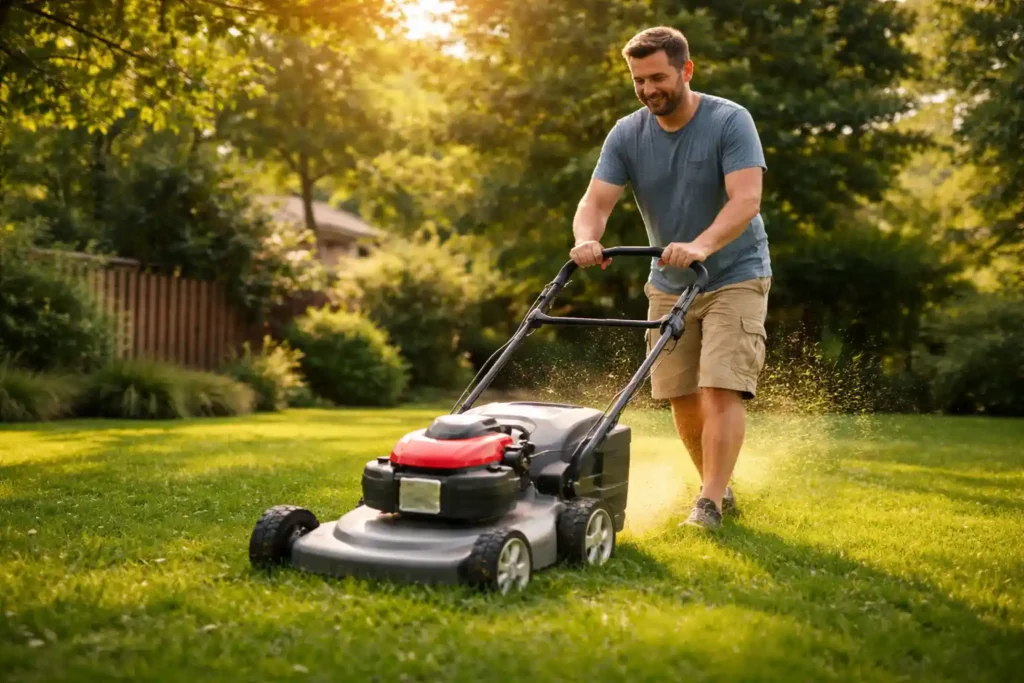
It was a Saturday in late May. I was out back in suburban Ohio, sun barely up, my old mower growling away — and clippings were flying absolutely everywhere.
I mean everywhere.
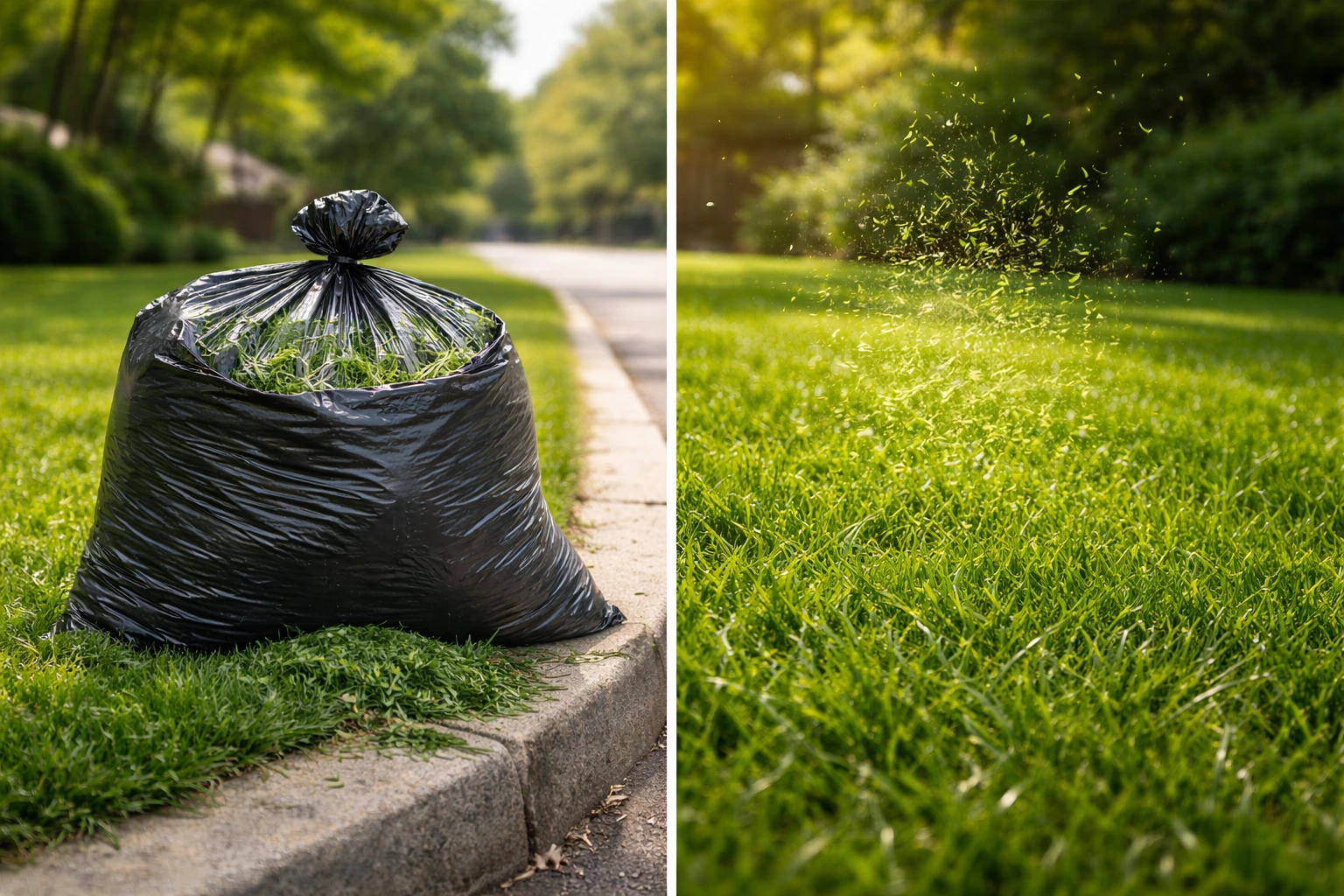
They hit the fence. They hit my shoes. My neighbor’s dog made a serious attempt at eating a pile of them near the gate. Total chaos. And when I finally shut the engine off, I had four heavy bags of clippings to drag to the curb.
I stood there, sweaty and exhausted, thinking there had to be a better way.
That’s when my brother-in-law wandered over with his coffee. “Why don’t you just get a recycler mower?”
I had zero idea what that meant. “What is a recycler lawn mower, exactly?”
He smiled like he’d been waiting his whole life for someone to ask him that.
Twenty minutes later, I was completely sold. And honestly? It changed how I think about mowing forever.
What Is a Recycler Lawn Mower, Exactly?
Here’s the simplest way to think about it. A recycler mower doesn’t just cut your grass and call it a day. It chops the clippings. Then chops them again. And again — until they’re almost dust. Then it pushes them right back down into the lawn.
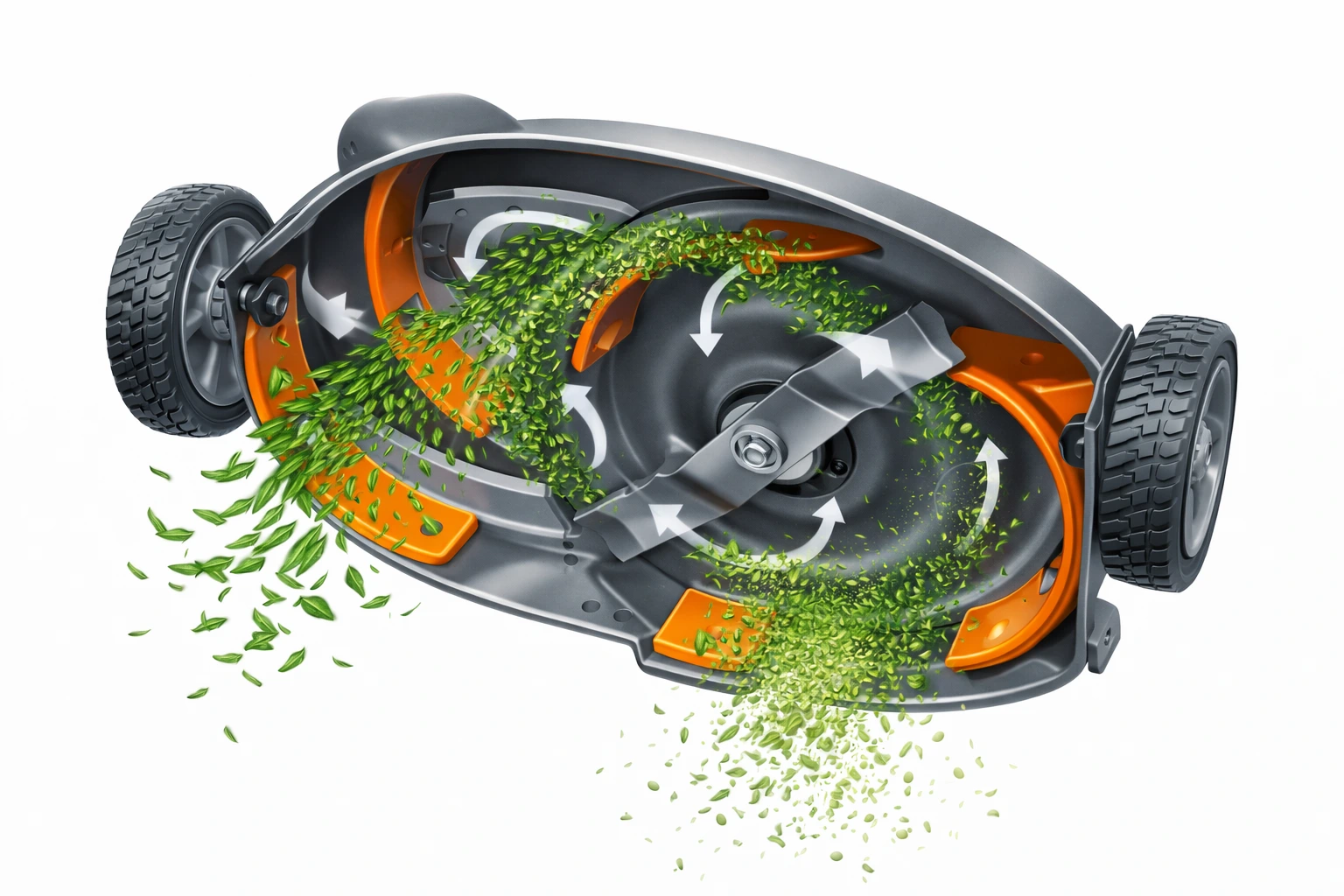
More precisely: a recycler lawn mower cuts clippings into very fine pieces and returns them directly to the soil. It does this using a sealed deck, internal baffles, and a specially shaped blade that recutting clippings multiple times before they fall between the grass blades.
Sounds almost too simple, right? It is. And it works beautifully.
Recycler vs. Mulching Mower — Are They the Same Thing?
Close. But not quite.
“Mulching” is the general term for cutting clippings and putting them back on the lawn. A recycler mower does that — but it goes further. The deck design is more refined. The clippings come out much finer.
“Recycler” is actually a Toro trademark. Over time it became a casual industry nickname, the same way people say “Kleenex” for any tissue brand.
Here’s a quick comparison:
| Feature | Recycler Mower | Standard Mulching Mower |
| Clipping cuts | Multiple passes | Single or double |
| Clipping size | Very fine | Medium |
| Deck design | Sealed, optimized | Varies |
| Decomposition speed | Faster | Moderate |
Both beat side discharge easily. But recycler mowers do the job cleaner and more consistently.
How the System Actually Works
Picture this.
The blade spins fast. Clippings shoot upward. They hit the baffle walls inside the deck and get cut again. Then they fall back down into the lawn.
By the time those clippings land, they’re so small they slip right between the grass blades and reach the soil below. A few hours later, you can’t even tell they were there.
Soil microbes break everything down. Your lawn absorbs the nutrients. That’s the whole cycle.
The Parts That Make It Different
Most of the mower is pretty standard. But these four components are what actually make a recycler mower work:
- Mulching blade — curved and shaped specifically to recut clippings on every pass
- Sealed deck — keeps clippings circulating instead of escaping out the side
- Internal baffles — the walls that redirect clippings back into the blade’s path
- Mulch plug — physically blocks the discharge chute so nothing gets out
Self-propel, electric start, variable speed — those are convenience features. Great to have, but they don’t touch the recycler system itself.
Why Would You Even Want One? The Real Benefits
Full disclosure: when my brother-in-law first pitched this to me, I was skeptical. “Free fertilizer from your own clippings” sounded like the kind of promise you hear at 2 a.m. on an infomercial.
It’s not. The benefits are completely real. Here’s what actually happens.
Your Grass Gets Free Fertilizer
Grass clippings are roughly 90% water. What’s left is nitrogen, potassium, and phosphorus — the exact same nutrients in your bag of store-bought fertilizer.
You’ve been stuffing free plant food into garbage bags and dragging it to the curb every single week.
University extension programs at Purdue and Penn State even have a name for this: grasscycling. Their research shows that returning clippings can cut your fertilizer needs by up to 25% per season. That’s a real number worth paying attention to, especially when fertilizer prices aren’t exactly dropping.
And let me kill a myth right here: clippings do not cause thatch. I believed that for years. Thatch builds up from roots, stems, and stolons — not clippings. Multiple university studies back this up. That excuse no longer holds water.
You Actually Save Time
No bagging means no stopping. No tying bags. No hauling them to the curb.
The average American lawn runs about 10,000 square feet. Think about how many bags that fills each week. Think about how long it takes to deal with them.
I used to spend an extra 20 minutes every Sunday just on that one step.
Now I mow and I’m done. Those 20 minutes go toward coffee on the porch. My wife genuinely thinks I’ve become calmer. The mower gets the credit, not me.
It’s Easier on the Environment
Less plastic bag waste. Less synthetic fertilizer. Less water used overall.
Those fine clippings settle on the soil like a thin natural mulch, holding moisture in. If you’re in a dry state like Texas, Arizona, or California, that moisture retention actually matters.
A few cities in California and Oregon already restrict or outright ban bagged clipping disposal. With a recycler mower, that’s never your problem to worry about.
Your Soil Gets Better Season After Season
This one genuinely surprised me.
Clippings feed soil microbes. Healthy microbes build stronger root systems. Stronger roots produce denser, greener grass. And dense grass crowds out weeds on its own — no chemicals needed.
It doesn’t happen in a week. But after two full seasons with my recycler mower, the difference was obvious. Fewer bare spots. Richer color. My neighbor came over and asked what fertilizer I was using.
I told him I wasn’t using any. He thought I was messing with him.
The Drawbacks — Because Nothing’s Perfect
I’m not going to oversell this. A recycler mower has real limitations, and you should know them before you reach for your wallet.
Wet Grass Will Wreck Your Results
This is the single biggest issue. When grass is wet, clippings don’t get recut properly. They clump. They mat on the surface. The whole lawn looks like something went wrong.
I found this out the hard way after three days of straight rain in early June. I figured I’d just push through. The deck clogged twice. Clumps everywhere. My lawn looked worse than before I started.
Now I wait. Every single time.
Early afternoon is usually the sweet spot — morning dew has burned off, but peak heat hasn’t hit yet. Not sure if it’s dry enough? Try the boot test: step on the lawn, and if grass sticks to your shoe, give it another hour or two.
Overgrown Lawns Don’t Play Nice With This System
The recycler works great when clippings are small. Clippings are only small when you mow on schedule.
Miss two weekends during a wet Illinois spring and your lawn can easily hit six inches. At that point, the clippings are way too large for the system to handle. The deck chokes up. Clumps everywhere. Again.
The fix: do your first pass with the chute open in side-discharge mode, then switch to recycler for the cleanup pass. Take it in steps.
Coarse Grass Types Need More Attention
Recycler mowers absolutely shine on fine-bladed grasses — Kentucky bluegrass, tall fescue, Bermuda. These grasses respond beautifully.
Thick, coarse grasses like St. Augustine — which is everywhere in Florida — are more of a challenge. The system still works, but you need to mow more frequently. Let St. Augustine get too tall and the clippings are simply too thick and heavy to get recut cleanly.
Not a dealbreaker. Just something to factor into your routine.
The Deck Needs Regular Cleaning
A sealed deck is great for recycling clippings. It’s also great for accumulating buildup underneath. Over time, that packed debris restricts airflow and tanks your performance.
I clean mine every three to five mows — scrape the underside with a plastic scraper, rinse it down with the garden hose. Five minutes, start to finish.
My best trick: spray the underside with cheap non-stick cooking spray before each mow. I know that sounds ridiculous. It works. Way less junk sticks to begin with.
Types of Recycler Lawn Mowers in the U.S. Market
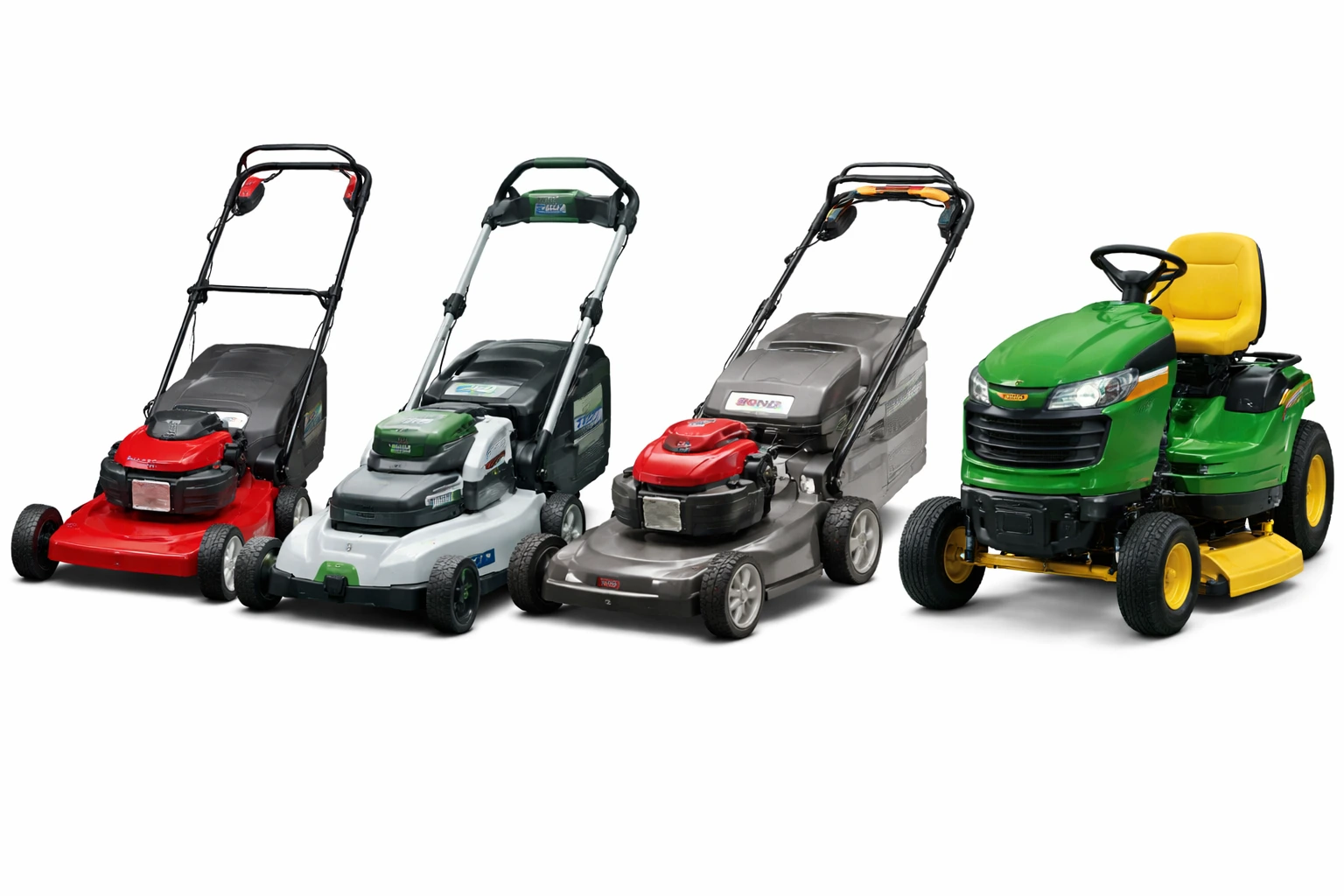
The category has genuinely exploded over the past five years. Gas, battery, push, self-propelled, walk-behind, riding — there’s a lot to sort through. Here’s how to cut through the noise.
Gas-Powered Recycler Mowers
Gas is still the workhorse choice. More raw power, better suited for larger lawns and thick grass.
The classic names are Toro Recycler, Honda HRX217, and Craftsman M110. If you’ve got a lawn over half an acre — especially anywhere in the South or Midwest — gas probably still makes the most sense.
The trade-off is maintenance. Oil changes, air filters, spark plugs. They’re also loud. Your neighbors will definitely know what day you mow.
Battery-Powered Recycler Mowers
This is the fastest-growing segment in the market right now, and for good reason — the technology has genuinely caught up.
Brands like EGO Power+, Greenworks, and Ryobi are making cordless models that are surprisingly capable. No gas smell, significantly quieter, zero oil changes.
For lawns under a third of an acre, a good battery mower handles it without breaking a sweat. California homeowners especially should be paying attention — gas mower restrictions are already rolling out in several counties, with more likely coming.
Just check the runtime specs carefully before you buy. Battery life is the real variable here.
Self-Propelled vs. Push
Push mowers are lighter and cheaper — a solid choice for flat lawns under 6,000 square feet.
Self-propelled models drive themselves forward; you just steer. If your yard has any slope to it, or if your back isn’t what it used to be, self-propelled is worth every extra dollar.
I made the switch two years ago. My back hasn’t forgotten, and it’s grateful.
Walk-Behind vs. Riding
A lot of people assume recycler mowers are always walk-behind. Not the case.
John Deere, Husqvarna, and Cub Cadet all offer riding mowers with mulching deck setups — the same recycler principle, just built for larger properties. If you’re working with over an acre, a riding mulching mower is worth a serious look.
The Best Recycler Lawn Mowers Right Now
I’m not pushing any brand here. But if you sat across from me and asked what I’d actually spend my own money on today, this is the honest answer.
Toro 22″ Recycler SmartStow (Model 21340)
The mower that started the whole category nickname. It folds vertically for storage, which is a bigger deal than it sounds when your garage is already a game of Tetris.
Gas-powered. Personal Pace self-propel. Rock-solid reliability over decades.
Great for mid-size lawns where you want performance without complications.
Price range: ~$450–$500
EGO Power+ LM2102SP
The best battery-powered option for most homeowners right now, full stop. The 56V system genuinely feels like gas when you’re behind it.
It works with EGO’s whole battery platform — if you already own EGO tools, this is an obvious choice.
Price range: ~$550–$650 with battery
Honda HRX217VKA
The premium gas pick, and it earns that title. The GCV200 engine is one of the most dependable small engines ever made. Honda’s Twin Blade MicroCut system produces some of the finest clippings you’ll find on any walk-behind mower.
This thing will last you decades with basic upkeep. It’s what I’d buy if I were planting roots for the long haul — especially in hot, humid climates like Georgia or Louisiana.
Price range: ~$700–$800
Greenworks 40V 21″ Self-Propelled
The smart budget pick. Lighter than most gas models. Does its job reliably on lawns under 8,000 square feet.
Perfect for first-time homeowners or anyone with a modest suburban lot who doesn’t need anything heavy-duty.
Price range: ~$350–$420
Craftsman M220 (3-in-1)
Gas-powered, affordable, and genuinely flexible — you can bag, mulch, or side discharge depending on what your lawn needs that day.
A great starting point for anyone new to recycler mowers. Widely available at Lowe’s stores across the country, which makes service and parts easy to find.
Price range: ~$280–$320
How to Use a Recycler Lawn Mower the Right Way
The machine isn’t complicated. But a handful of habits make a massive difference in what your lawn actually looks like. I learned some of these the hard way so you don’t have to.
The One-Third Rule — Don’t Skip This
Never cut more than one-third of the grass blade in a single mow. That’s the non-negotiable.
If your grass is three inches tall, cut it back to two. Keep it in that range, and your clippings stay fine enough for the recycler system to handle them cleanly.
Push past that limit and you will get clumps. Every single time. No exceptions.
| Grass Type | Ideal Mowing Height | Mow Frequency |
| Kentucky Bluegrass | 2.5–3.5 inches | Every 5–7 days |
| Bermuda | 1–2 inches | Every 5–7 days |
| Zoysia | 1–2.5 inches | Every 7–10 days |
| St. Augustine | 3–4 inches | Every 7–10 days |
| Tall Fescue | 3–4 inches | Every 7–10 days |
Mow When It’s Dry
Early afternoon is ideal for most of the country — the morning dew is gone but the heat hasn’t peaked yet.
If you’re in Arizona or Texas in July, flip that: mow in the early morning when the grass has had a chance to cool down overnight. The slight residual moisture is manageable. Just clean your deck after.
Keep That Blade Sharp
This one gets overlooked constantly, and it kills recycler performance.
A dull blade tears grass instead of cutting it. Torn tips go brown. The lawn looks beaten up. And torn clippings don’t get recut cleanly, so you get clumping even when everything else is dialed in.
Sharpen every 20–25 hours of use. Once a season at the bare minimum.
Last summer I chased a clumping problem for weeks before I finally checked the blade. Dull as a butter knife. Sharpened it in 10 minutes with an angle grinder. Problem gone immediately.
Clean Under the Deck
Every three to five mows — or sooner if you notice a drop in performance.
Plastic scraper and a garden hose work fine. Skip the pressure washer; it can push water into the spindle bearings and cause real damage. Follow up with a coat of deck spray or cooking spray to keep the next round of buildup from sticking.
Five minutes. That’s all it takes.
Switch Up Your Mowing Direction
Go side to side one week, diagonal the next. Alternating your pattern prevents wheel ruts and soil compaction. It also helps clippings distribute more evenly across the lawn instead of piling in the same spots every week.
Small habit. Real payoff over a full season.
How Recycler Mowers Perform Across U.S. Climates
Where you live genuinely changes how you use this machine. A strategy that works perfectly in Georgia can backfire completely in Washington state. Here’s what I know from experience, and what other lawn people in different regions have told me.
Hot, Humid South (Florida, Georgia, Texas, Louisiana)
Grass grows aggressively down here. During peak summer you might genuinely need to mow every five days to stay within the one-third rule.
St. Augustine — the dominant grass across much of Florida — is thick and heavy. Keep the blade sharp, stay on your mowing schedule, and the recycler handles it well. Fall behind and it’ll struggle.
The University of Florida IFAS extension is a fantastic free resource for region-specific lawn advice. Bookmark it.
The Midwest (Ohio, Illinois, Indiana, Iowa)
Four distinct seasons, and each one matters. Kentucky bluegrass and tall fescue are the norm across this region.
Spring green-up happens fast — weekly mowing through April and May is basically non-negotiable if you want the recycler working properly. Fall is trickier: once leaf drop picks up, switch to bagging. Mixing leaves and clippings overwhelms the deck fast.
Pacific Northwest (Oregon, Washington)
The challenge here is rain. There’s a lot of it, and it doesn’t stop.
Recycler mowers are fantastic during the dry Pacific Northwest summers. Spring and fall? It’s often just too wet for clean results. Clumping is a regular battle.
Quality deck spray, post-mow cleaning during wet stretches, and raising your deck height slightly on damp days all help. Make peace with bagging a few months of the year.
Dry West and Southwest (California, Arizona, Nevada)
Drought-tolerant grasses like Bermuda and Buffalo grass are typical here, and the dry air means clippings break down more slowly in the soil than they do in humid climates.
Mow more frequently to keep clipping size manageable. And California homeowners — check your county’s gas mower regulations before your next purchase. Electric recycler mowers are already the practical long-term play in much of the state.
Maintenance Tips to Keep It Running Strong
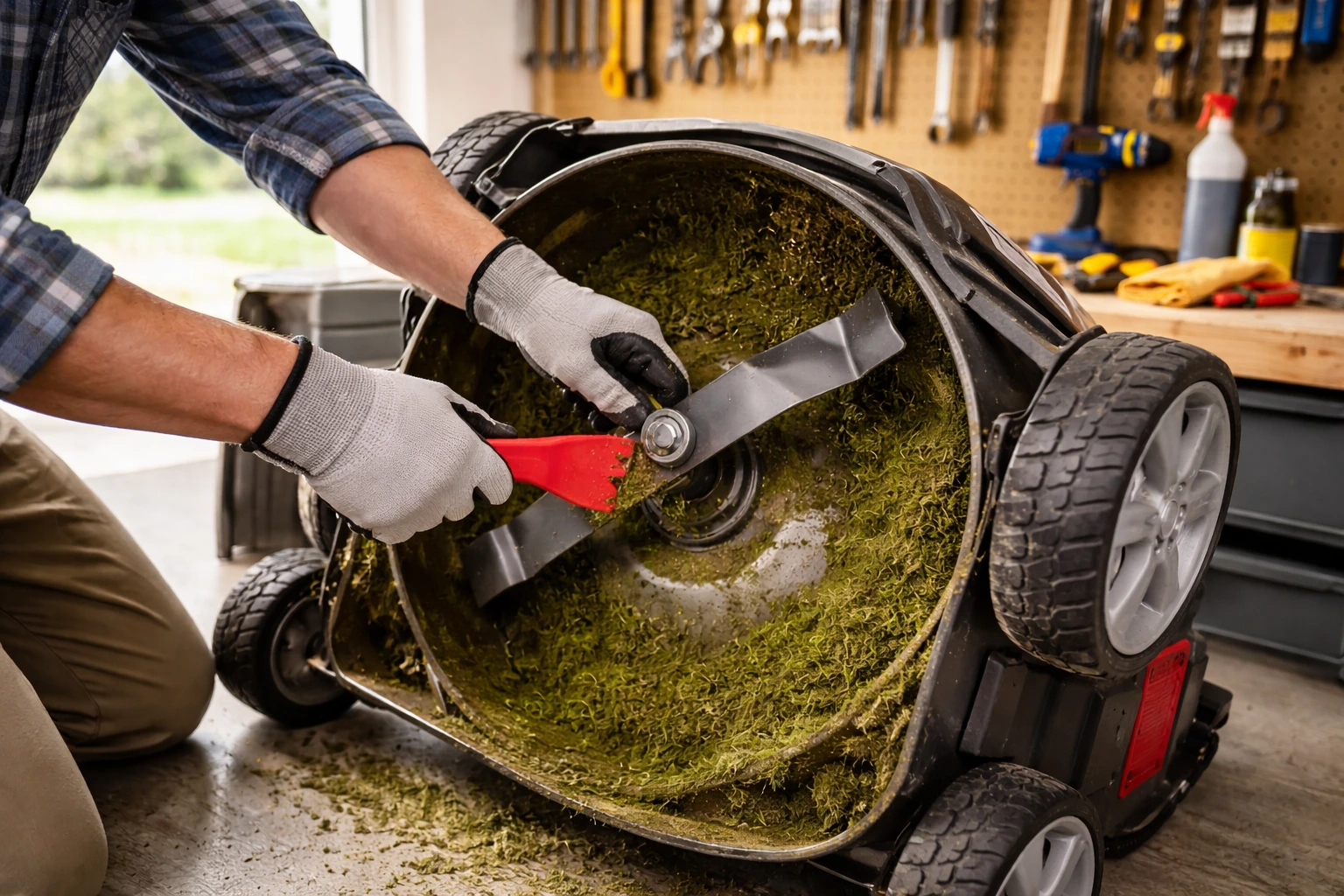
A good recycler mower is an investment. Treat it right and it’ll work reliably for years. Ignore it and you’ll be shopping for a replacement sooner than you planned.
Your Seasonal Maintenance Schedule
Spring — before that first mow:
- Sharpen or replace the blade
- Change the oil (gas models)
- Clean or replace the air filter
- Fresh spark plug if it’s been a year (gas models)
- Full charge on the battery (electric models)
Summer — every 4 to 6 weeks:
- Scrape the deck underside
- Check the blade for nicks or bending
- Inspect the drive cable on self-propelled models
Fall — before you put it away:
- Run the gas tank dry or add fuel stabilizer
- Final blade sharpen of the season
- Full top-to-bottom cleaning
- Lubricate the wheel axles
Winter storage:
- Dry garage or shed — not out in the open
- Off bare concrete if possible; moisture wicks up over a long winter
- Battery models: store packs at 40–80% charge in a climate-controlled space
When to Repair vs. When to Replace
- Blade: replace if cracked, bent, or deeply gouged
- Air filter: swap it out every season without question
- Drive belt: replace when self-propel starts slipping
- The whole mower: once repair estimates hit 50% of replacement cost, just buy new
With proper care, gas mowers typically run 8–10 years. Battery mowers land in the 5–8 year range — and when they fail, it’s almost always the battery pack that goes first.
Your Questions, Answered
Can I mow wet grass with a recycler mower?
You can. You really shouldn’t.
Wet clippings clump instead of recirculating through the deck. They mat on the lawn surface and your deck packs up fast. It’s messy and the results look bad. Wait for dry conditions whenever you possibly can. If it genuinely can’t wait, raise your deck and slow way down.
Will my clippings cause thatch buildup?
No — and this myth needs to die.
Clippings are mostly water and break down fast. Thatch forms from roots, crowns, and stems — biological material that doesn’t decompose quickly. Purdue and Michigan State have both published research on this. Clippings are not the culprit.
How often should I mow?
Honestly, more often than you’re probably used to.
Every 5–7 days during the growing season. Every 10–14 days when growth slows down in summer heat or fall cool-off. The more often you mow, the finer the clippings, and the better your recycler performs.
Do I need special blades?
Your mower ships with the right blade already on it. For replacements, stick to OEM or blades explicitly labeled “recycler” or “mulching.” A standard high-lift blade won’t recut clippings the same way and defeats the whole point.
Is the extra cost actually worth it?
For most homeowners who mow regularly — without question.
Fertilizer savings alone start adding up within a season. Add in the time you stop wasting on bagging, and the math becomes pretty obvious after year two or three.
Who Should Buy One (And Who Should Skip It)
Buy one if…
- Your lawn is between 2,000 and 20,000 square feet
- You mow at least every one to two weeks during the growing season
- You want to cut what you spend on fertilizer
- You’re done hauling bags to the curb every weekend
- You have bluegrass, fescue, or Bermuda grass
- You live somewhere that’s tightening gas mower regulations
Hold off if…
- You almost always let your lawn get overgrown before you mow
- You want your clippings for composting
- Your grass is thick and coarse and your climate is perpetually wet
- You’re renting short-term and the lawn isn’t your long-term problem
The Lawn Deserves Better Than a Trash Bag
That sweaty Saturday morning in Ohio feels like a different era now.
I still mow on Saturdays. Same house, same yard, same neighbor’s dog watching from behind the fence. But no bags. No hauling. No wasted clippings sitting at the curb waiting for the truck.
For years I was literally throwing away free fertilizer along with a chunk of my weekend. One mower swap fixed both problems simultaneously.
The whole idea is elegantly simple: cut the grass, feed it back, repeat. Your lawn does the rest.
If you’ve been bagging clippings for years and nagging yourself about whether there’s a better way — there is. And now you know exactly what a recycler lawn mower is, how it works, and whether it belongs in your garage.
Next Saturday morning? Just mow. Let the grass handle it from there.